


Border conflict: Conditional peace and the question of Thai military discipline in the face of the ceasefire

Monday, 28 July 2025. Under international pressure and after five days of deadly fighting on the border, Thailand and Cambodia have finally agreed to an ‘immediate and unconditional’ ceasefire. This truce, solemnly announced during talks in Kuala Lumpur under the auspices of Malaysian Prime Minister Anwar Ibrahim, has left the regional community hanging on a fundamental question: will the Thai army really respect the ceasefire?
Official commitments and the reality on the ground
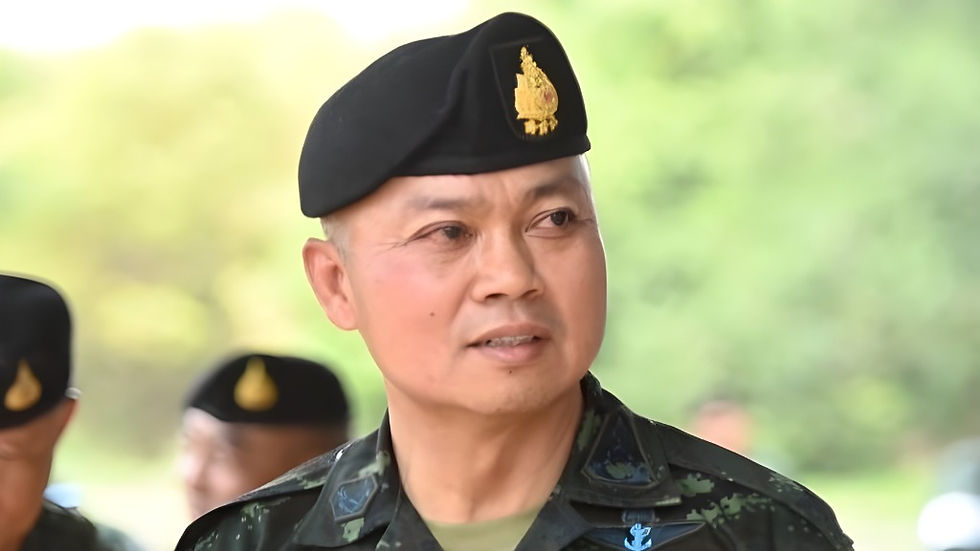
Officially, the tone in Bangkok is reassuring. The current Thai Prime Minister, Phumtham Wechayachai, has stated that Thailand will implement the ceasefire ‘in good faith on both sides’. The army, through its spokespeople, emphasises the discipline of its soldiers, respect for international standards and the strict limitation of its targets to military objectives. But the reality on the ground is much more changeable.
Barely 24 hours before the truce was officially announced, intense artillery exchanges were reported, with each side accusing the other of massive violations of the ceasefire. Incidents were still taking place at several hot spots along the border, including around disputed historic temples, where civilian and military casualties are mounting.
The Thai army has long maintained that it will only attack enemy positions in response to ‘Cambodian provocations’, but this principle of conditional retaliation keeps tensions running high.
Doubts about Thailand's sincerity
With each previous truce, trust has quickly eroded. Thailand's doctrine is clear: ceasefire, yes, but only if and when Cambodia ceases its own hostilities, which Thailand says it officially expects with each exchange of fire. This line creates a profound ambiguity: the slightest skirmish is enough for Thai artillery to resume its strikes, making peace fragile and temporary.
Even when peace announcements were made by the highest authorities, the army was clear about its tactical autonomy.
‘Our forces will continue to operate according to our military principles until the situation stabilises,’ a military spokesman said on Sunday, even as diplomats promised de-escalation.
This duality between political order and military reality casts doubt on the strength of the truce.
A question of image and national legitimacy
Beyond the military arena, the Thai army's ability to respect the ceasefire is of symbolic importance for Bangkok, which is determined to show the international community that it is acting in accordance with international law.
But every retaliatory move and every accusation of ‘bad faith’ towards its Cambodian neighbour undermines this image and fuels regional mistrust.
The Thai army's respect for the ceasefire will depend less on the words of its generals or leaders than on the changing reality on the ground and the willingness of both sides to abide by the spirit, rather than the letter, of the peace agreement.
Between international pressure, the risk of provocation and the imperatives of national legitimacy, the truce hangs by a thread. What happens next will depend on military discipline, but also – and above all – on the trust that each army is able (or not) to establish at the border.


Comments