


Thai Boycott in Cambodia: Who Pays the Price of the Trade War?

The possible exit of PTT from Cambodia, due to the drastic drop in sales and the popular boycott of Thai products, illustrates an economic and political crisis with major repercussions.

PTT, a Thai public energy giant, is experiencing a more than 50% decrease in sales amid heightened border tensions since July 2025, accompanied by Cambodian consumer withdrawal and the exit of many local distributors of the PTT brand. This decline poses a high risk for PTT, with service stations shrinking from around 200 to 150 in a few months and the prospect of a complete market exit if things worsen.
Context
The total halt of Thai fuel imports to Cambodia is part of an escalating border conflict, triggering national boycott measures that go beyond the energy sector to affect a wide range of Thai products.
An immediate consequence is the fast reshaping of the local supply chain, with Cambodian investors buying local PTT operations under the new name Peace Petroleum Cambodia, reinforcing economic autonomy against strategic dependence.
Advantages and Risks
This dynamic has mixed outcomes. On one side, Cambodia's ability to diversify energy sources by reducing reliance on Thai fuel marks a step toward greater economic sovereignty and less geopolitical risk.
The rise of local players like Kampuchea Tela in the energy sector indicates potential economic resilience. On the other side, the significant loss in trade between the two countries (a 43% drop in Thai exports to Cambodia in 2025) threatens economic stability, particularly affecting employment and agriculture and industry sectors reliant on Thailand, a major raw material source.
Impact on Local Employment and Cambodian Franchisees
The boycott of Thai products, especially PTT's, has heavily impacted local jobs and Cambodian franchisees. Approximately 90% of PTT franchises in Cambodia are owned and operated by Cambodians, employing thousands locally.
The sales decline threatens these jobs directly, affecting service station workers and franchise employees at 7-Eleven and Amazon Café, who suffer significant drops in customers and income. Some franchisees fear job cuts and salary reductions, although no mass layoffs have yet been reported.
Cambodian franchise owners intend to terminate contracts with PTT and support local brands like Peace Petroleum Cambodia, hoping to protect jobs and boost economic sovereignty. However, this transition is challenging, as the boycott and consumer disinterest hurt small businesses and local shops with many Thai products now unsellable, causing liquidity problems.
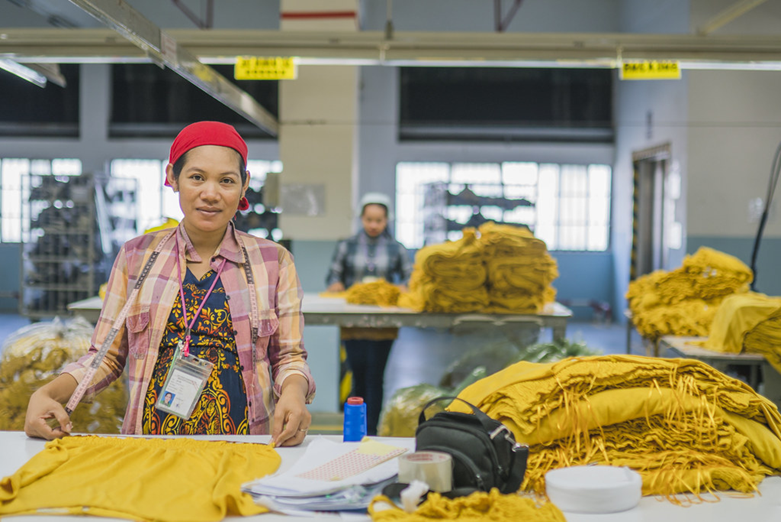
Meanwhile, the boycott might backfire by harming Cambodian workers involved in economic ties with Thailand, especially in agricultural exports and the textile industry, key sectors of the local economy.
While the boycott protests political tensions, those most affected are often Cambodian employees and small franchise businesses, calling for balanced management between economic patriotism and social pragmatism.
Commercial Consequences for PTT and Cambodia
PTT's classification of Cambodia as a "high-risk" market reflects the deep impact of the boycott and political instability on its operations. While PTT maintains some services through subsidiaries like 7 Eleven and Amazon Café, its core fuel business is weakened with the gradual withdrawal of local distributors. This highlights the vulnerability of foreign companies amid political risks and heightened nationalism.
Ultimately, PTT’s likely exit from Cambodia demonstrates the economic strains accompanying regional political conflicts. While it may open opportunities for greater local economic independence, it also risks commercial isolation that could slow short-term growth and reduce foreign investment potential.

Comments