


Cambodia’s next generation: the quiet test of social trust
Why economic opportunity and social and political trust matter to Cambodia’s future, including the 2027 and 2028 elections.

Cambodia’s demographic transformation deserves attention alongside its economic ambitions. A young population can strengthen productivity, innovation and national development. But demographics alone do not determine a country’s future. The decisive question is whether young people can see a realistic path from their aspirations to a better life.Generation Z, defined as those born between 1997 and 2012, represents about a quarter of Cambodia’s population. Millions are studying, working, supporting their families and forming views about the society they want to live in. Through digital media and wider access to information, they see how people elsewhere live. This exposure can broaden horizons and encourage ambition, while raising expectations that economic development should bring tangible improvements to everyday life.
For many households, that promise can feel distant. Families may be struggling with bills and debt, small businesses may be uncertain about their prospects, and young people with education or vocational training may find it difficult to secure stable, adequately paid work. Such concerns should not be read as a dismissal of Cambodia’s development achievements. They reflect a challenge common to countries undergoing rapid change: national progress, measured in investment or infrastructure, does not always feel like progress to every individual.Economic growth matters most when people can recognise its benefits in their own lives.
For younger Cambodians, the quality of employment, wages, career progression and the possibility of becoming financially independent may be as important as headline economic indicators.
Social media adds another dimension. It gives people a window into the wealth of others, including luxury cars, jewellery, large homes and lavish weddings. These are personal choices, and wealth itself should not be condemned. Many entrepreneurs and families have worked hard, invested, taken risks and earned their success.Yet context matters. When households are worried about debt, graduates are struggling to find work and small-business owners are uncertain about the future, repeated displays of conspicuous consumption can sharpen perceptions of inequality. What one person sees as a celebration may look to another like a reminder that opportunity and security are unevenly distributed.The concern is not that successful people should hide their achievements. It is whether a shared sense of fairness can be sustained when visible affluence appears disconnected from the daily realities of many citizens. Perceptions may not always capture the full picture, but they influence how people judge institutions, opportunity and the possibility that hard work will be rewarded. Disregarding those perceptions will not make them disappear.
This is an important consideration as Cambodia seeks to attract investment, strengthen its private sector and become more competitive in the region. The country needs entrepreneurs and investors. It also needs broad public confidence that development offers meaningful opportunities across society.
These goals are compatible: a culture that supports enterprise while upholding transparency, fair treatment and responsibility can strengthen trust between people of different backgrounds and generations.
Young Cambodians are not a single political or cultural bloc. Their experiences, priorities and views vary widely. Nevertheless, many are growing up with expectations different from those of previous generations. They may look for better employment and housing prospects, more transparent institutions and a sense that advancement depends on ability and effort – not only on wealth, status or personal connections.Listening to these expectations is not a concession to criticism. It is a basic practice of responsive leadership. Governments that identify concerns early have more opportunity to respond constructively than those that wait for frustration to deepen.
The 2027 commune elections and the 2028 National Assembly elections will take place against this changing social and demographic backdrop. Elections offer citizens an opportunity to choose representatives, but they also provide a signal – among many – of how people view their circumstances and the responsiveness of public institutions.It would be premature to predict how economic discontent or perceptions of inequality will affect turnout or voting choices. Some citizens may remain actively engaged; others may withdraw from political participation, abstain where legally possible or express dissatisfaction through their electoral choices. The scale of any such response will depend on local conditions, candidates, political competition, public policies and whether people believe their concerns are being taken seriously.The broader risk is that declining confidence can have consequences beyond a single election. It may weaken civic participation and make it harder to build public support for the long-term development projects Cambodia needs. Public trust is therefore not something to assume; it is something institutions must continually earn.
What might a constructive response look like?
First, economic opportunity should remain central to the national agenda. Youth employment initiatives need to connect training with actual labour-market demand. Entrepreneurship programmes should provide practical support to young people who want to start businesses. Job quality matters too: wages, benefits, stability and prospects for advancement all shape whether young people believe they can build a future at home.
Second, support for financially vulnerable households should be informed by evidence and evaluated for effectiveness. Accessible financial information, appropriate services, continued support for viable small businesses and efforts to expand productive opportunities can help families feel more secure and better able to plan.
Third, fairness and accountability in public institutions should be visible in practice. Consistent application of the law, credible investigation of substantiated corruption concerns, and greater transparency in public spending and service delivery can reinforce the belief that rules apply fairly and that there are legitimate routes to success beyond personal wealth or connections.
Finally, public officials and other leaders should remain mindful of how their words and actions are perceived. Society need not discourage people from displaying success, nor should it assume that every display of wealth is improper. But leadership carries a responsibility to understand the pressures faced by ordinary families. Empathy, restraint and a visible commitment to shared national priorities can help build a sense of common purpose.
No single policy can remove every hardship or guarantee a particular electoral outcome. The value of these measures lies in addressing underlying concerns, strengthening social confidence and ensuring that development is experienced as a shared national endeavour.Cambodia’s ambitions require resources, a competitive private sector, capable institutions and sustained growth. They also require broad public support from people of different backgrounds and generations. Young people should not be seen simply as a future workforce or a demographic statistic, but as citizens with present interests and a growing stake in the country’s direction. Their trust is shaped by what they experience today, not only by promises for tomorrow.As 2027 and 2028 approach, the essential question for Cambodia is not how young people will eventually vote. It is whether their concerns are heard, understood and addressed early enough. Public trust rests on the belief that opportunity is accessible, that fairness is visible and that institutions respond to legitimate concerns.That is the quiet test of social trust – and an important part of Cambodia’s long-term development.
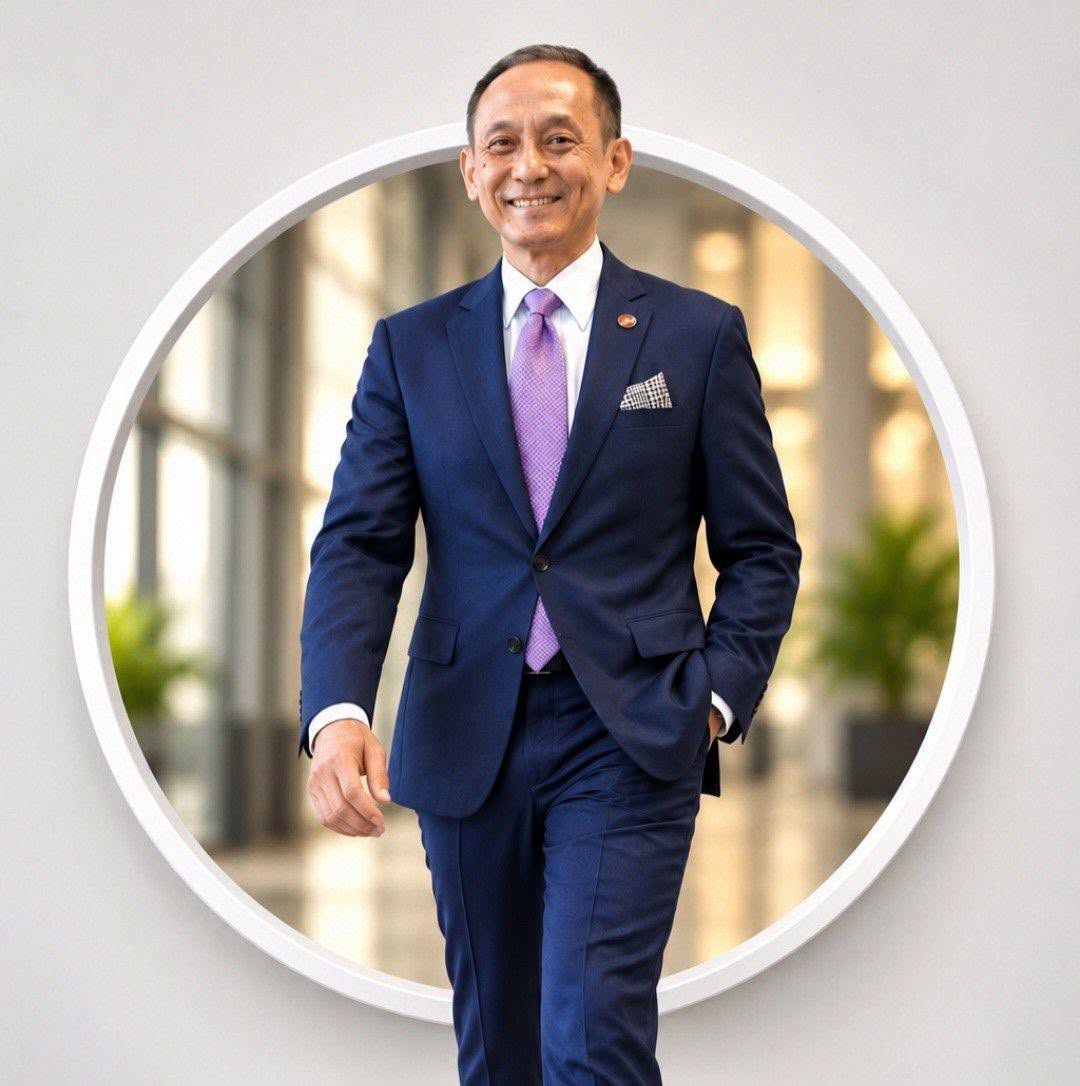
David Van
David Van is a seasoned Cambodian business strategist and public policy adviser with more than 45 years of experience in multinational business, trade, investment and international development in Southeast Asia. A pioneer of public-private partnerships (PPPs) and blended finance, he has helped shape Cambodia’s policies on trade, transport, skills and industrial development, while advising governments, multilateral agencies and international companies. He is currently a member of the Expert Advisory Group of the Trade Policy Advisory Board (TPAB).


Comments