


Border Conflict: Ongoing Tensions, Economic Worries and a Deepening Humanitarian Crisis

The border conflict between Cambodia and Thailand remains volatile, more than two weeks after hostilities renewed, with sporadic clashes continuing despite repeated calls for de-escalation. Both governments accuse each other of violating previous cease-fires, while the international community struggles to secure a lasting peace.

Armed Clashes Continue
The current round of fighting, reignited on December 7 around disputed territory, has seen the conflict expand into both air and naval engagements. Thai F-16 fighter jets have struck Cambodian positions, targeting suspected rocket launcher sites and logistics hubs, killing at least seven Cambodian civilians on December 8–9, according to Cambodia’s Ministry of Defense.
Local Cambodian reports also describe artillery fire hitting villages such as Jay and Batrkuon on December 20, killing 18 civilians — including a child — and injuring dozens more. Meanwhile, Thailand has reported 21 soldiers killed and civilian casualties from Cambodian rocket attacks on agricultural areas. The Thai navy has also tried to block Cambodian vessels in the Gulf of Thailand, broadening the scope of the conflict.
Fragile Diplomacy and Failed Cease-Fires
An internationally mediated cease-fire negotiated by former U.S. President Donald Trump on December 12 collapsed almost immediately. Cambodia says Thailand continued bombardments despite the truce, while Bangkok insists that Cambodia must first halt hostilities and clear minefields it claims Phnom Penh laid in contested zones.
Previous agreements brokered in July and October under ASEAN auspices have also fallen apart, according to both sides. China has called for increased confidence-building measures, and senior Cambodian officials have defended border closures as necessary to protect civilians from what they describe as “indiscriminate fire.”
Economic Fallout
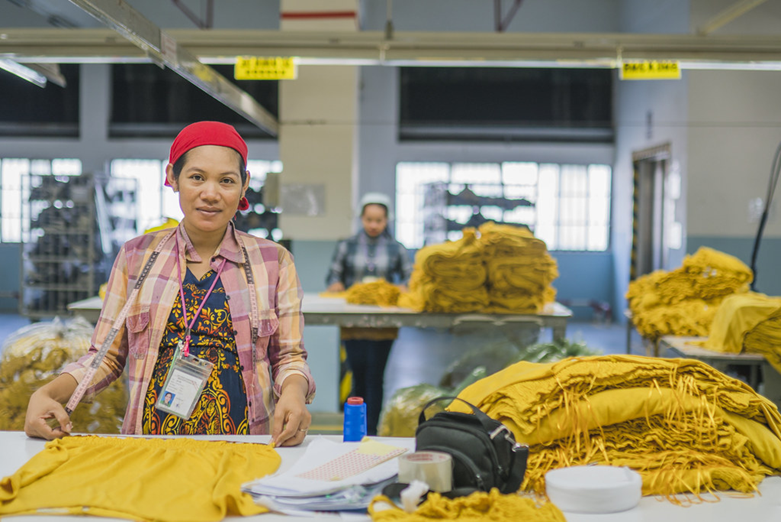
Economic disruption has intensified as border checkpoints were shut from mid-December. Trade flows have stalled, and migrant labor movements have been severely affected. An estimated 900,000 Cambodian workers out of 1.2 million migrants in Thailand have returned home since the conflict escalated, sharply reducing remittance inflows by nearly 37.5% — a significant hit to domestic consumption and GDP growth.
Tourism, a pillar of the Cambodian economy, has also suffered. Thai visitors account for roughly 30% of international arrivals, and declines in ticket sales at key sites like Angkor Wat have further dimmed prospects for recovery in the sector.
Analysts warn that prolonged instability could shave several percentage points off Cambodia’s economic growth and increase inflation as supply chains are disrupted.
Growing Humanitarian Emergency
The human cost of the conflict has soared. Along the nearly 800-km border, more than 800,000 people are now displaced — with an estimated 600,000 inside Cambodia in provinces such as Preah Vihear, Oddar Meanchey, and Banteay Meanchey, and tens of thousands in eastern Thailand. The death toll includes both soldiers and civilians, and infrastructure damage has been reported including to farms and cultural sites.
Local humanitarian groups warn that essential services are strained, with shortages of food, medical care, and shelter widespread in displacement camps. The United Nations and global NGOs such as World Vision have called for urgent international support to address basic needs and prevent further suffering.
Calls for Peace from Civil Society
Amid the conflict, grassroots initiatives for peace have emerged. On December 18, tens of thousands of Cambodians, led by Buddhist monks and civil society groups, marched in Phnom Penh demanding an end to hostilities. Youth organizations and several Thai-Cambodian civil groups have issued joint calls for a cease-fire and resumed diplomatic dialogue.
Cambodian officials, including Prime Minister Hun Manet and Foreign Minister Prak Sokhonn, have reiterated their commitment to upholding cease-fires agreed under international law and stressed the need for peaceful resolution through diplomatic channels.


Comments