


Washington Raises the Stakes: Thai Bad Faith Threatens Regional Economic Balance

Recent statements by U.S. President Donald J. Trump resonate as a warning directed at Bangkok — and, more broadly, at the entire region. By declaring that he is prepared to “impose sanctions if necessary to stop the killings,” the occupant of the White House has chosen to use the economy as a diplomatic lever in response to Thailand’s refusal to agree to a Trump-backed cease-fire.

For Karoline Leavitt, spokesperson for the White House, the objective is clear: enforce the agreements already signed and tie political stability to economic discipline. These remarks signal a strategic shift: the United States now favors “economic pressure” through markets and targeted sanctions rather than direct military intervention — recalling a logic of “graduated economic pressure” already tested under previous administrations.
But Thailand — led by interim Prime Minister Anutin Charnvirakul — is showing calculated firmness. By challenging the very existence of a cease-fire agreement and continuing military operations, Bangkok is sending a message of sovereignty or even challenge.
This stance is partly explained by internal considerations: a powerful military apparatus, a fragile government, and a nationalist political climate amplified by an economy still seeking stability after the pandemic.
However, the American response could weigh heavily. Targeted financial sanctions — particularly on the defense sector, energy imports, or foreign investment — could weaken Thailand’s economic recovery and shake market confidence.
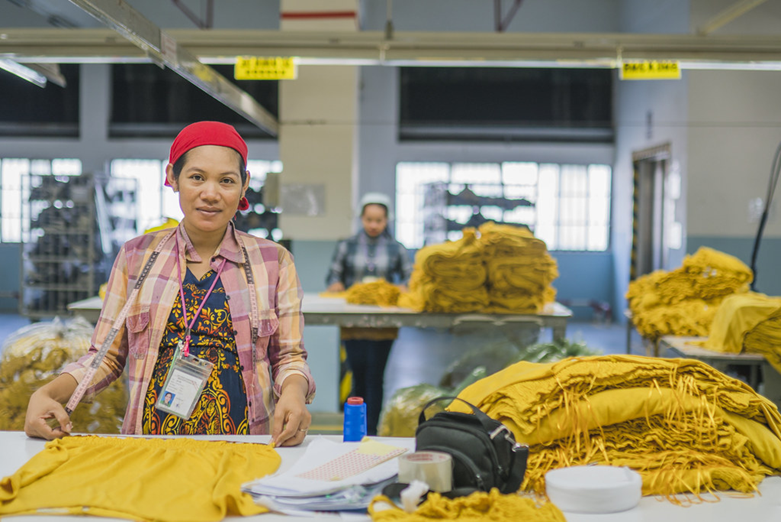
Investors will be watching any escalation attentively: Thailand plays a strategic role in regional supply chains, especially in electronics and automotive sectors, while Cambodia remains a key partner for textiles and agriculture supply industries.
Economic Consequences Outlined
Actor | Immediate Risks | Medium-Term Impacts |
Thailand | Decline in foreign direct investment (-15 % to -20 %), higher energy costs | Slower GDP growth (-1 to -2 percentage points), supply chain tensions in auto/electronics |
Cambodia | Disruptions to textiles/agriculture supply; refugee flows | Higher import inflation, increased humanitarian spending |
ASEAN | Regional uncertainty, delayed investments | RCEP weakened, higher sovereign risk premiums |
This crisis goes beyond a diplomatic standoff; it illustrates how economic influence is being reconfigured in Southeast Asia. Washington appears determined to redefine deterrence mechanisms through commercial and financial constraints instead of military pressure — where economics becomes an extension of diplomacy, and sometimes its weapon.


Comments