


Kep: The Sea That Came Back — Chronicle of a Sanctuary Reborn

Ten years ago, the Kep archipelago was an exhausted sea: seagrass meadows ploughed under, dugongs gone, dolphins reduced to rumour. Today that same sea carries an international label, a quarter of a vast national restoration plan is already deployed, and fishermen are watching species they thought lost for good come back. A look back at two decades of stubborn work that turned this forgotten corner of the gulf into one of Southeast Asia's finest marine conservation success stories.
A Sea on Its Knees
Just a decade ago, the waters lapping the thirteen islands of the Kep archipelago — Koh Seh, Koh Angkrong, Koh Mak Prang, Koh Pou and their neighbours, at the southern tip of Cambodia — were the stage for a quiet disaster. Bottom trawlers methodically scraped the seagrass meadows, tore through coral reefs, and hauled in the last specimens of the marine megafauna. Electric fishing, dynamite: nothing was spared.
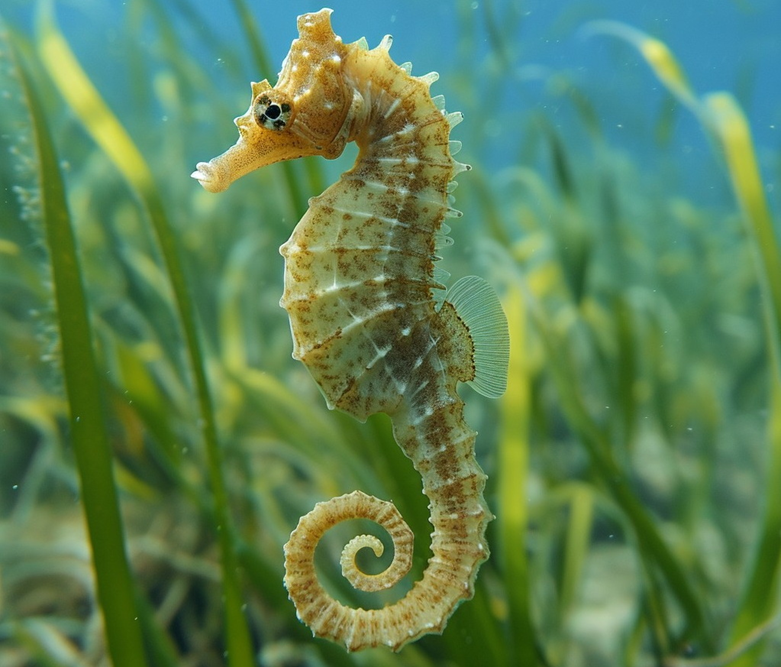
Local fishermen came home empty-handed. Dugongs had vanished. Dolphins, listed as "Endangered" on the IUCN Red List, had become little more than rare ghosts glimpsed in the distance. And beneath the surface, in the seagrass meadows that shelter the country's largest concentration of seahorses, six of the ocean's most discreet species were quietly dying out — caught as bycatch or sold dried to Vietnamese middlemen.


I enjoyed this article because it explains the topic in a simple and readable way. The information gave me a better understanding of jaya9, especially for someone who is just discovering the subject. I’ll definitely keep exploring related information.
This was such a beautiful read — I had no idea Kep went through all that. The part about seahorses clinging to seagrass really stuck with me; it’s amazing what can come back when you give nature half a chance. Speaking of patience and attention to detail, I’ve been using the mouse scroll test onlione to check my own gear lately, and it reminded me how much we overlook the small things that make a big difference. Here’s hoping Kep keeps thriving for another two decades
It's inspiring to read how Kep's marine ecosystem has recovered through years of conservation and community effort. After discovering uplifting stories like this, I usually play Slope Rider which is a fast-paced game where you guide a ball down a slope while avoiding obstacles because it's a fun way to relax while keeping the excitement going.
GMBAR
As your team grows stronger throughout the season, Retro Bowl encourages you to balance roster management, player morale, and game-day strategy to achieve lasting success.