


Iran Conflict Fuels Cambodia's Fuel Crisis: Prices Surge Amid Global Tensions

The conflict triggered on February 28, 2026, by joint U.S. and Israeli strikes on Iran is already producing its first concrete effects in Cambodia, a country heavily reliant on fuel imports.

From early March, prices for unleaded gasoline and diesel have skyrocketed: ordinary gasoline jumped from 3,850 Khmer riels per liter to 4,400 riels by March 8-10, while diesel surged to 5,150 riels. This sharp increase highlights the vulnerability of the Khmer economy to global geopolitical shocks and threatens low-income households, transportation, and tourism.
The trigger: a surprise offensive in Iran that shakes world markets
The United States and Israel launched Operation "Epic Fury" on February 28, 2026, with airstrikes and missile attacks on strategic Iranian military sites, including nuclear facilities and Revolutionary Guard bases. Justified by Washington as a preemptive response to Iranian threats against its allies, this action resulted in the death of Supreme Leader Ali Khamenei. Iran retaliated with volleys of ballistic missiles on U.S. bases in Iraq and Israeli cities, escalating tensions.
This escalation disrupted the Strait of Hormuz—through which 20% of the world's oil and 25% of liquefied natural gas pass—via mines and attacks on tankers. Brent crude prices soared to $82 per barrel by March 2, a 15% spike in 48 hours. For Cambodia, with no oil resources and 100% dependent on imports via Singapore refineries and Sihanoukville ports, the shockwave arrives in just a few days.
Cambodian diplomatic response: caution and affirmed neutrality
On February 28, the Cambodian Foreign Ministry expressed its "deep concern" and called for "maximum restraint" to preserve peace, with particular protection for civilians. Under Hun Manet, Phnom Penh maintains strict neutrality, inherited from its non-aligned policy, and advises its 500 nationals in the region to postpone non-essential travel.
This pragmatic diplomacy reflects economic ties with all involved powers: textile exports to the United States, Chinese investments indirectly supporting Iran, and Western tourism sensitive to instability. No Khmer casualties have been reported, but the government is monitoring migratory flows and supply chains.
Price surge: a tangible and multifaceted economic impact
Fuel prices, set weekly by the Ministry of Commerce, mark the sharpest increase since 2022: ordinary gasoline (92 octane) at 4,400 riels per liter (+14%), diesel (Gasoil 10 ppm) at 5,150 riels (+34% in one day). Spokesperson Pen Sovicheat cites the partial closure of Hormuz, ship attacks, and speculation, with reserves covering one month of consumption (300,000 tons).
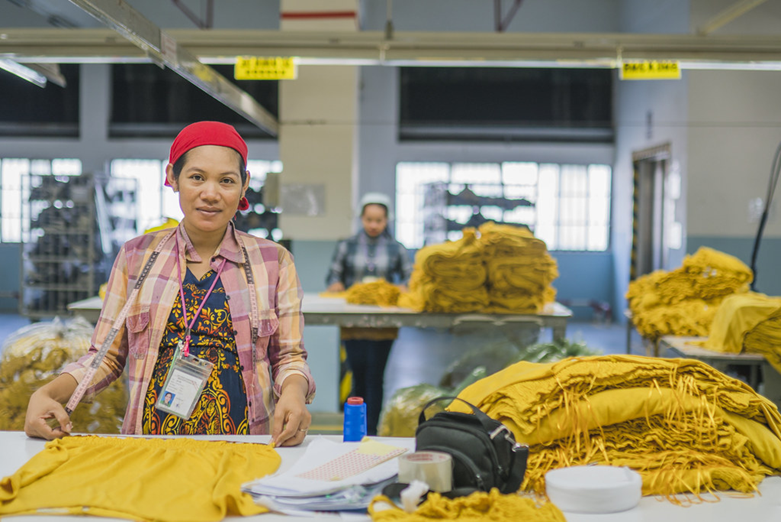
For Cambodians—70% of whom allocate over 20% of their budget to transportation and energy—this generates imported inflation: daily moto-taxi costs in Phnom Penh up 20%, food staples hit by delivery fees. Tourism (7 million annual visitors) and the garment industry (80% of exports) are most exposed.
Broader consequences: inflation, inequalities, and social pressures
Beyond the pump, this crisis exacerbates vulnerabilities: potential energy inflation of 5-7% by late March if prices exceed $80, eroding purchasing power for 5 million informal workers and risking rural unrest. Rice and rubber exports face 10-15% freight cost hikes.
The government announces subsidies for taxis and public buses.
Economists and NGOs call for diversifying suppliers (Russia, Australia), accelerating renewables (20% by 2030), and strengthening safety nets, or else 1 million more people could fall into extreme poverty.
Toward an accelerated energy transition and greater resilience?
These tremors remind us of Cambodia's fragility, importing 3 million tons of fuel annually via Sihanoukville and Chinese rail. From the Prime Minister to chambers of commerce, calls grow for hydropower, solar, biomass, and bolstered strategic reserves. If Qatari or UN mediation calms the conflict, prices could stabilize below 4,000 riels by April; otherwise, sectoral recession with impacts on tourism (20% of GDP) and garments. Accustomed to shocks since the 1970s, the kingdom could emerge more resilient—if it acts quickly.


Comments