


Cambodia's Fuel Crisis Eases Fragilely Amid Global Price Surge

The fuel crisis in Cambodia marks a fragile lull: out of over 2,000 initially paralyzed stations and depots, only more than 400 remained closed as of March 13, 2026, awaiting new deliveries delayed by the global price surge.

Cham Nimul, Minister of Commerce, is steering a coordinated response to this imported shortage, amplified by tensions in the Middle East. This situation, which arose after massive inspections, highlights the structural vulnerability of a kingdom without domestic refineries.
Massive Inspections and Accelerated Reopenings
An interministerial task force – bringing together provincial departments of Mines and Energy, Commerce, and the General Directorate of Consumer Protection (CCF) – conducted on-site inspections of most of the 6,300 registered stations across the country. These unannounced checks allowed the majority to reopen after confirming compliance, praising the exemplary cooperation of operators. The ministry urges them to report any supply blockages immediately for swift resolution via logistical facilities and emergency imports coordinated with the private sector.Cham Nimul played a central role at a recent seminar, warning that any speculative stockpiling – aimed at profiting from price hikes – would result in severe fines or immediate license revocation.Meanwhile, farmers, logistics workers, and citizens are urged to strictly ration consumption for essential needs, and to alert local authorities – such as communal agriculture agents – or relevant ministries without delay in case of critical shortages. This proactive approach aims to ensure priority distribution to vital sectors.
Structural Dependence on Fuel Imports
Without operational refineries or domestic exploitation of its potential offshore reserves, Cambodia imports 3 million tons of fuel annually via the port of Sihanoukville, its main logistics hub. This total dependence exposes the economy to global geopolitical shocks, such as recent disruptions around the Strait of Hormuz.Prices have thus exploded: +35% for regular gasoline, reaching 5,200 riels per liter (1.29 USD), and +66% for diesel at 6,400 riels per liter (1.59 USD). These increases come after record spending of 606 million dollars on mineral fuel imports in the first two months of 2026 alone, underscoring the scale of the shock.
Economic Impacts: Households and Sectors Under Heavy Pressure
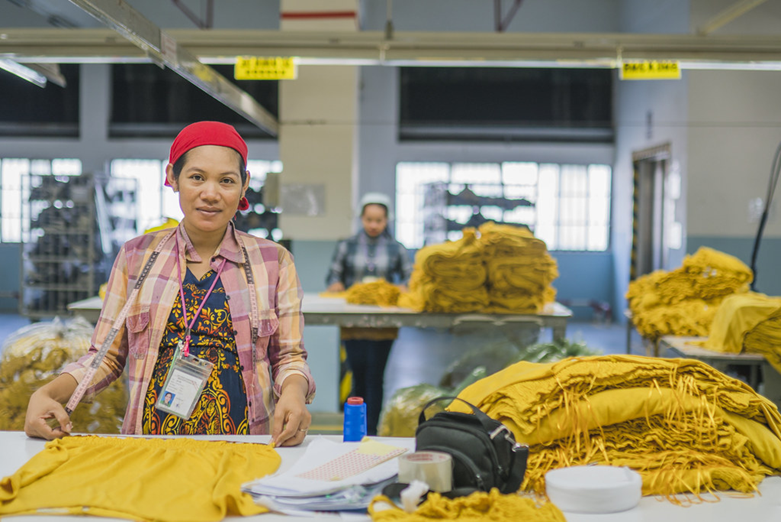
Modest households, which represent the majority of the population, are absorbing the heaviest blow. About 70% of families devote more than 20% of their monthly budget to transport and energy; the surge translates to 20% increases in moto-taxis in Phnom Penh and food delivery fees, eroding already fragile purchasing power.The 5 million informal workers – taxi drivers, street vendors, small traders – face projected energy inflation of 5-7% by end of March, threatening to plunge an additional 1 million people into extreme poverty without rapid strengthening of social safety nets.In agriculture, the pillar of the rural economy affecting 4 million family farmers, freight and pumping surcharges reach 10-15%, directly threatening rice and rubber yields, two pillars of national exports, with a major risk of falling shipment volumes.The logistics and transport sector, employing 1.2 million drivers and delivery workers, is suffering a 20% margin squeeze, potentially causing breaks in supply chains and local food shortages in urban areas.Tourism, representing 20% of GDP and 2.5 million direct or indirect jobs, faces a 15% rise in fuel costs and a nosedive in bookings, jeopardizing the 2026 season with estimated losses of 500 million dollars.Finally, the textile industry, which generates 80% of exports thanks to 800,000 factory workers, is suffering from imported inflation on energy inputs, risking a loss of competitiveness against Asian rivals, notably Vietnamese.
Toward Precarious Stabilization and Urgent Reforms?
The government, under Cham Nimul's impetus, promises targeted subsidies for public buses and collective taxis, as well as enhanced coordination of emergency imports. However, this lull remains precarious as long as vulnerability to geopolitical shocks – disruptions at Hormuz or oil market fluctuations – persists.In the long term, this crisis calls for urgent diversification: development of local biofuels, incentives for exploiting offshore resources, and investments in electric or rail transport. Without these structural reforms, Cambodia risks new paralyses, hampering its post-pandemic growth and exposing its 17 million inhabitants to recurrent precariousness. The authorities assure transparency and vigilance, but the path to energy resilience promises to be fraught with obstacles.


456bd I clicked around that entertainment site people mention, mostly out of curiosity about how it’s laid out, not really to dive into anything. It felt easy to get my bearings right away, which I didn’t expect. The page isn’t a messy wall of stuff—things are separated into neat blocks so you can tell what’s what without squinting. I also noticed the info tables are actually readable, with columns that line up cleanly, so scanning for details doesn’t turn into a little eye workout. And the menu stays where you’d expect, so hopping around doesn’t feel like you’re constantly backtracking. Overall it just feels like someone cared about keeping the layout tidy, especially with those clear content blocks and the…
socolive mình vừa tạt qua xem thử vì thấy bạn bè nhắc, mà mở lên thì đúng kiểu trang đang set up nên chưa có gì để đọc hay bấm nhiều. Giao diện nhìn sạch sẽ, không bị nhồi chữ hay pop-up gì, nên cảm giác họ để vậy có chủ đích chứ không phải lỗi load. Mình thấy có dòng “We’re getting things ready” khá rõ ở phần trên, nhìn phát là hiểu ngay tình trạng hiện tại. Lướt xuống chút thì chỉ có thông báo “Website coming soon” thôi, nên xem một vòng là hết. Nói chung vào cho biết trước cũng ổn, ít nhất trang hiển thị gọn và dễ nhìn. Trên trang hiện chủ yếu là…
nổ hũ mình thấy bạn bè nhắc hoài nên cũng ghé thử cho biết, kiểu vào xem giao diện có dễ chịu không thôi. Vừa mở lên là thấy trang làm khá gọn, khoảng trắng vừa đủ nên nhìn không bị rối mắt. Mình không có đọc kỹ nội dung hay ngồi mò từng mục, chỉ lướt qua để xem cách họ bố trí có hợp lý không. Điểm mình thích là các phần được chia thành từng khối rõ ràng, nhìn cái nào ra cái đó nên kéo xuống một đoạn là nắm được mình đang ở khu nào. Thanh menu cũng để ngay chỗ dễ thấy, bấm qua lại nhanh, không phải tìm nút vòng vòng. Nói chung…
hm88 mình thấy dạo này nhắc nhiều nên cũng ghé thử cho biết, chủ yếu xem mấy bài kiểu giải đáp chứ không có ngồi nghiên cứu gì sâu. Giao diện nhìn khá thoáng, chia nội dung theo từng khối nên lướt nhanh vẫn nắm được ý, không bị ngợp chữ. Có đoạn họ nói về cơ chế minh bạch kiểu dùng thuật toán ngẫu nhiên được bên kiểm định, đọc thấy trình bày thẳng thắn nên ít nhất cũng đỡ cảm giác mơ hồ. Mình cũng thích cách họ làm tiêu đề nổi và tách riêng mấy box hỏi-đáp, bấm qua lại không bị lạc, nhìn là biết đang ở mục nào nhờ các khối “giải đáp” được đóng…
UU88 mình lướt thử do thấy bạn bè nói, kiểu vào xem giao diện ra sao thôi chứ chưa kịp chơi nhiều. Cảm giác đầu tiên là trang làm khá gọn, nhìn không bị rối mắt, chữ dễ đọc nên kéo một hồi cũng không mệt. Mình dùng điện thoại thấy chuyển mục qua lại ổn, không bị đứng hình hay lag khó chịu. Có cái mình để ý là họ có phần FAQ viết khá “thẳng”, hỏi gì đáp nấy nên đọc nhanh cũng nắm được mấy chuyện cơ bản như bảo mật thông tin với nạp rút có nhanh không. Nói chung nhìn như họ chịu khó sắp xếp nội dung theo từng khối rõ ràng, nhất là…