


Cambodia Begins a Structural Transition Toward a More Selective, Industrial Growth Model

Faced with the collapse of the real estate sector, the massive return of migrants, and the rise in U.S. tariffs, Cambodia is embarking on a structural transition toward a more selective and industrial growth model.

A Structural Turning Point Under Pressure
The Cambodian economy is undergoing a phase of deep recalibration. A report by the consultancy firm Confluences Capital, titled "Cambodia’s Economic Re‑engineering 2025‑2026 Pivot: From Speculative Growth to Industrial Maturity" and published in March 2026, assesses a historic shift: after years of growth driven by private debt and speculative real estate fever, the kingdom is entering an era of constrained industrial maturity. The 2025‑2026 period marks a decisive pivot, where the old engines of growth give way to a reallocation of capital toward higher-value-added sectors.
But this transition is painful. It is unfolding amid a regional slowdown, geopolitical tensions, and exogenous shocks that test the kingdom's resilience.
Three Shocks Weakening the Model
The report identifies three simultaneous shocks that have shaken Cambodia's foundations. First, real estate: Qualified Investment Projects (QIPs) in this sector have fallen to nearly zero since 2021, while domestic credit growth plummeted from 26.5% before the pandemic to 4.9% in 2025. Property prices are declining, and non-performing loans reached 8.3% in mid-year.
The second shock is social and migratory: nearly one million Cambodian workers returned from Thailand between July and October 2025. This mass repatriation dried up remittance flows – down by 60%, representing an estimated loss of $1.7 billion – and disrupted the labor market, supply chains, and tourism alike.
The third shock is commercial: the entry into force in August 2025 of a 19% tariff on Cambodian goods exported to the United States. This measure could slow exports by 13%, undermining the competitiveness of a highly exposed economy.
An End of the Cycle for the Speculative Model
The country is now paying for the excesses of a model based on easy credit. Household debt outstanding reached 84% of annual income in 2023, compared to 65% two years earlier. In this context, banks are tightening lending conditions, and household consumption is adjusting downward.
"The speculative growth cycle is over," the report summarizes. The economy is entering a phase of gradual deleveraging, where the most formalized and operationally efficient players will be best positioned.
Reindustrialization and New Investments
Yet, Cambodia is not sinking into systemic crisis. The government is betting on structural transformation to absorb the shocks. Foreign Direct Investment (FDI) grew by 28.5% in the first half of 2025, and 630 investment projects were approved over the year, representing nearly $10 billion.
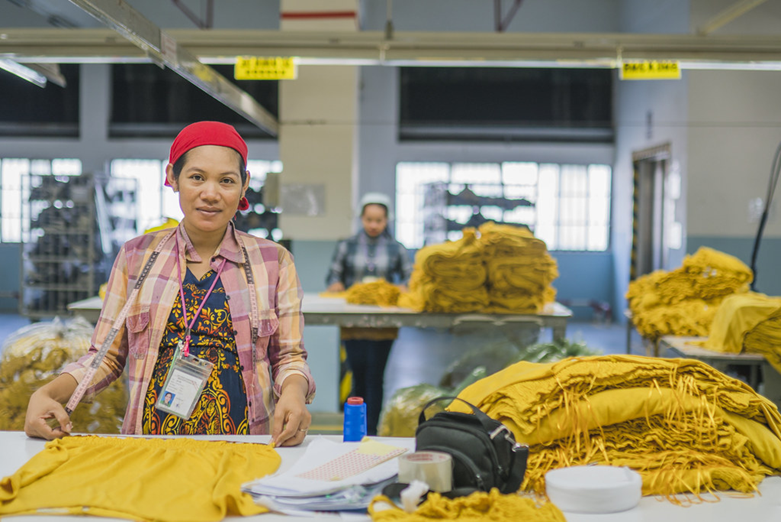
Crucially, the structure of the economy is improving. The share of machinery and electronic equipment exports rose from 2% in 2010 to 13% in 2023, although it remains far behind Vietnam, which stands at 55%. Today, 80% of FDI targets the manufacturing and energy sectors, a sign of a deliberate reorientation toward industry.
Macroeconomic Stability to Monitor
Despite the pressures, macroeconomic fundamentals remain solid. Public debt is only 24.9% of GDP, and the budget deficit is contained at 3.4%. The money supply grew by 17.2% year-on-year, driven by FDI.
However, credit growth remains sluggish, and financial sector vulnerabilities are increasing under the weight of real estate. The report notes that abundant liquidity is not yet translating into a rebound in banking activity.
Outlook 2026: Slower Growth, More Selective Model
International institutions expect real growth of 4.8% in 2025, then 4.3% in 2026. A slowing trajectory, marked by contained inflation and external accounts under pressure.
Looking ahead to 2029, graduation from Least Developed Country (LDC) status will constitute a new test: access to Official Development Assistance (ODA) will be drastically reduced, forcing Cambodia to enhance its competitiveness without a safety net.
Growth to Recalibrate
Cambodia stands at a crossroads. The era of speculative bubbles and easy debt is over. The transition toward a more mature industrial economy is underway, but the path remains narrow.
As Confluences Capital concludes, success will depend on the country's ability to anticipate financial vulnerabilities and prioritize operational efficiency in the face of global trade headwinds.
For investors, the message is clear: growth remains possible, but it will henceforth be more selective, more industrial, and increasingly focused on the formalization of value chains.


Comments