


Cambodia Approves Emergency $2.50 Monthly Transport Allowance for Garment Workers Amid Fuel Price Surge

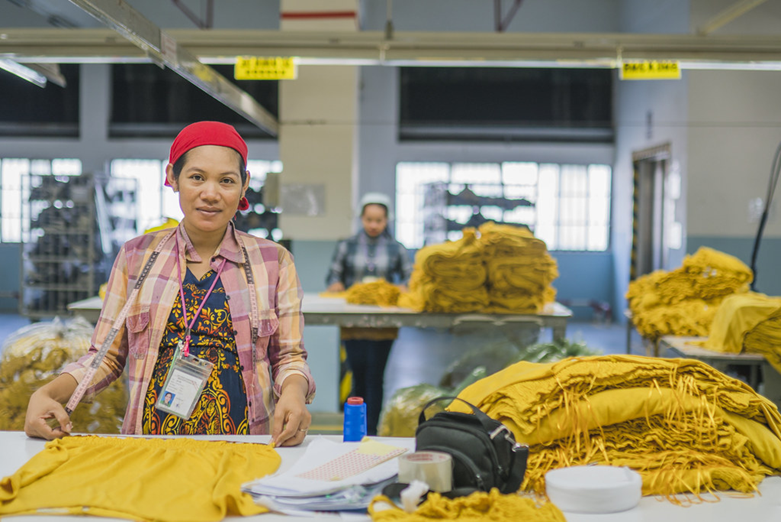
Facing the surge in fuel prices that is paralyzing global supply chains, Cambodia's National Minimum Wage Council approved, on Friday, March 20, an emergency measure to relieve transportation costs for workers in the ready-to-wear, footwear, and travel goods sectors.

This decision, taken during an extraordinary meeting at the Ministry of Labor and Vocational Training, aligns with directives from Prime Minister Hun Manet.
From 2 p.m. to 6:30 p.m., representatives of workers, employers, and authorities debated the crisis's impacts on daily commuting costs. A presentation highlighted the conditions of textile exports – a pillar of the Cambodian economy, representing more than 80% of exports – as well as the results of a ministerial survey revealing a sharp rise in employees' transportation expenses.
Worker delegates praised the government's initiatives, including securing fuel supplies and reducing import taxes on petroleum products. These measures aim to curb pump price increases and ease the burden on households. They also paid tribute to employers for their responsiveness, agreeing to share the efforts during this critical period.
At the heart of the conclusions: a temporary travel allowance of $2.50 US per month per worker, effective from April 1, 2026.
This supplement will be added to existing factory-provided transport and housing aids, and will continue until global oil prices return to normal. "This is an essential shield to preserve the purchasing power of the sector's 800,000 employees," emphasized a union representative, speaking anonymously.
Participants also urged workers to prioritize carpooling or government public buses, including during the upcoming Khmer New Year holidays.
The Ministry of Labor called for "responsible cooperation" from all stakeholders in the face of this global crisis, whose origins – geopolitical tensions in the Middle East and post-pandemic logistical disruptions – continue to fuel uncertainty.
This decision illustrates the resilience of Cambodia's textile sector, already under pressure with minimum wages set at $216 monthly since 2024. As energy inflation threatens the margins of exporting companies, Phnom Penh is betting on temporary palliatives to avoid a wave of relocations to neighboring Vietnam or Bangladesh.

Comments