


Cambodia’s Garment, Footwear, and Travel Goods Sector Reaches Record Growth in 2025

The Cambodian garment, footwear, and travel goods (GFT) sector reached a new milestone in 2025, recording exports worth US$15.7 billion, a remarkable 15.8% increase compared to the previous year, according to official figures from the Ministry of Labour and Vocational Training.

Presented during the 17th Annual Conference of the Textile, Apparel, Footwear and Travel Goods Association of Cambodia (TAFTAC), this performance confirms the resilience of a key industry that alone accounts for nearly half of the country’s total exports.
A Strengthened Industrial Pillar Amid Global Turbulence
While many Southeast Asian nations are still feeling the impact of the global economic slowdown, Cambodia stands out for its unique momentum. According to Minister of Labour H.E. Heng Sour, this growth reflects the ability of Cambodian manufacturers to adapt to the demands of Western and Asian markets despite supply chain pressures and increasing competition from Bangladesh and Vietnam.
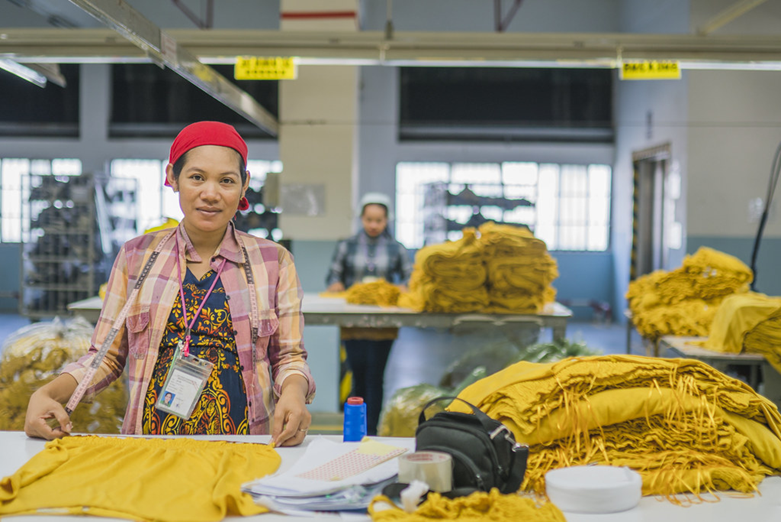
The local industrial base has grown denser, with 46,649 registered enterprises in 2025 employing 2.14 million workers, marking continuous growth over the past three years. This expansion results from a combination of a relatively stable investment climate, attractive tax incentives, and strong cooperation between the government, private sector, and social partners.
TAFTAC: Balancing Competitiveness and Social Progress
“For 29 years, TAFTAC has embodied the unified voice of industry investors, working toward an environment that fosters sustainable growth and social dialogue,” H.E. Heng Sour emphasized.
The association plays a key role in promoting decent work, notably through cooperation with the Better Factories Cambodia project (ILO-BFC) implemented with the International Labour Organization (ILO).
In this context, the ministry encourages continuation of the “One Enterprise, One Peaceful Community” program, an initiative aimed at maintaining social harmony in factories and strengthening compliance with labor standards. These joint efforts help sustain Cambodia’s reputation as a responsible and competitive supplier to European and North American markets.
From Factory Floors to Macroeconomic Prosperity
Beyond the figures, the success of the GFT sector is a major driver of macroeconomic stability. The World Bank estimates that the textile industry’s contribution to Cambodia’s GDP stands at around 8%, while its social impacts — such as female employment, household income increases, and the spread of industrial know-how — make it a key pillar of national development.
The government aims to gradually diversify this manufacturing base by upgrading toward higher-value niches such as technical textiles and leather goods, while incorporating green technologies to meet ASEAN climate commitments.
Toward a Sustainable and Digital Future
Amid the digitalization of global supply chains, Cambodia is now pursuing a textile industry 4.0 strategy that integrates automation, environmental certification, and participation in regional digital markets. According to the Council for the Development of Cambodia (CDC), foreign direct investment (FDI) in the sector is expected to grow by nearly 10% in 2026, particularly from China, Japan, and South Korea.
Analysts view this trajectory as evidence of Cambodia’s repositioning on Asia’s new industrial map — a hybrid model combining wage competitiveness, political stability, and gradual movement toward higher value-added production.

Comments