


Cambodia and New Zealand: A Dynamic Alliance Focused on the Future

The relationship between Cambodia and New Zealand is reaching a new dimension, more economic and strategic, with the visit to Phnom Penh of the New Zealand Minister of Foreign Affairs, Winston Peters, received at the Peace Palace by Prime Minister Samdech Moha Borvor Thipadei Hun Manet. Both parties reaffirmed their intention to strengthen and expand an already long-standing cooperation by focusing on trade, investment, education, agriculture, tourism, and exchanges between civil societies.

A Visit at the Right Time
During this high-level meeting, Winston Peters praised Cambodia's socio-economic progress, with one of the most dynamic growth rates in ASEAN, a GDP growth of 5.4% in 2023, and projected nearly 6% in 2024 according to international institutions. He emphasized that New Zealand remains a long-time partner, ready to support Phnom Penh in its economic upgrading and deeper integration into regional value chains.
Prime Minister Hun Manet expressed confidence in the impact of this visit on the depth of the partnership, recalling Wellington's constant support for the Cambodian peace process and development efforts since the 1990s. He highlighted the success of the third bilateral consultation between the foreign ministries of the two countries in August 2025 and called for institutionalizing this regular dialogue exercise to better coordinate government actions and open more opportunities for the private sector.
Modest but Growing Trade
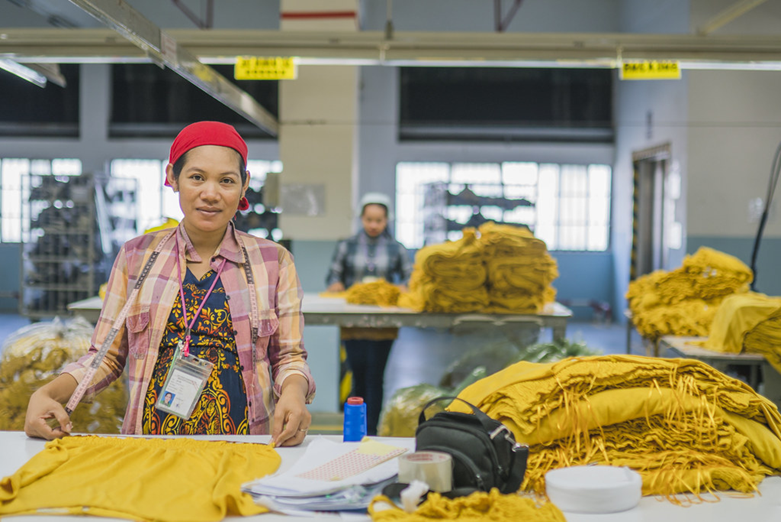
On the economic front, there is significant room for growth but signs are encouraging. In 2024, New Zealand's imports from Cambodia reached about $48 million, while New Zealand's exports to the Kingdom were just over $14 million, according to COMTRADE data aggregated by Trading Economics. These figures remain modest on the scale of international trade but reflect an evolving commercial relationship, particularly driven by Cambodian manufactured products and New Zealand agri-food products.
To stimulate these flows, Hun Manet highlighted the recent opening of a representation office of the Cambodian Chamber of Commerce in New Zealand, aimed at promoting investment opportunities and better connecting businesses, chambers of commerce, and institutional investors.
This presence aims to attract some investors seeking to diversify their supply chains in Southeast Asia, in sectors such as agro-industry, higher value-added textiles, digital services, or tourism.
Sectoral Cooperation: Education, Agriculture, Tourism
Cooperation is not limited to goods trade; it also takes place in sectors structuring long-term development. New Zealand has been funding and supporting projects for several years in "climate-smart agriculture," humanitarian demining, strengthening the resilience of the Angkor archaeological park, and upgrading the skills of the Cambodian workforce. These programs contribute to modernizing agriculture, securing rural areas, and improving the tourism appeal of the country, a vital economic pillar.
Education remains a central axis, notably through Manaaki New Zealand scholarships providing Cambodian students and professionals opportunities for higher education and specialized training in New Zealand. In return, Cambodia focuses on student mobility, joint programs, and university exchanges to strengthen its human capital, as the future competitiveness of the Kingdom will largely depend on the quality of its workforce and engineers.
Anchoring in the ASEAN–New Zealand Framework
This bilateral revival is part of a broader movement: the rise of the ASEAN–New Zealand partnership. In Kuala Lumpur, in October 2025, leaders decided to elevate this relationship to a Comprehensive Strategic Partnership, structured around four pillars – peace, prosperity, people, and the planet – with a 2026-2030 action plan to deepen economic, security, and climate cooperation.
In this context, Phnom Penh plays an active role in supporting this new framework and facilitating interactions between Wellington and ASEAN, notably on connectivity, air agreements, and trade liberalization.
Hun Manet and Winston Peters agreed to strengthen coordination in regional and international forums, such as ASEAN, the East Asia Summit, and other multilateral platforms. This cooperation aims to promote a rules-based regional order, support stability in Southeast Asia, and develop new growth drivers through innovation, digital technologies, and expanded free trade agreements.
Border, Diplomacy, and Commitment to Peace
Before the end of the meeting, the Cambodian Prime Minister informed Winston Peters of the latest developments regarding the border between Cambodia and Thailand, a sensitive issue for regional stability. He reaffirmed his government's commitment to respecting the joint declaration signed in Kuala Lumpur and to prioritizing peaceful dispute resolution based on existing bilateral agreements, international treaties, and international law.
For New Zealand, committed to promoting multilateralism and peaceful conflict resolution, this position aligns with a broader convergence of views on regional security. By combining discreet diplomacy, field cooperation, and economic openness, the two countries seek to build a discreet but strategic partnership at the crossroads of development, stability, and regional integration challenges in the Indo-Pacific.

Comments